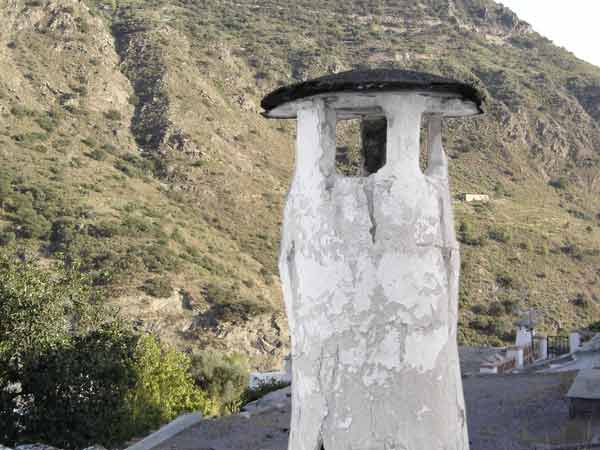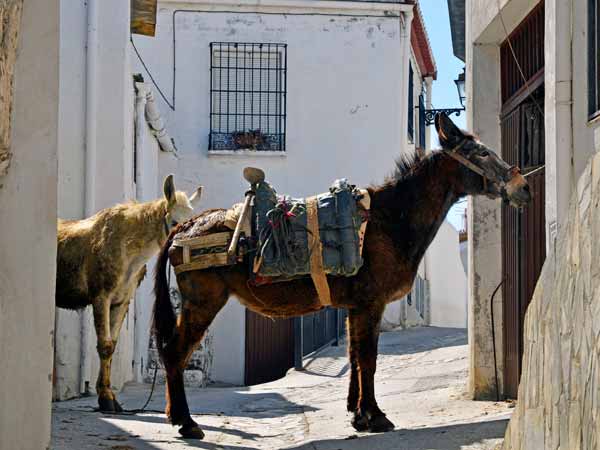



The Alpujarra offers the possibility to approach it from different perspectives. It presents a wide variety of tourist resources that can be adapted to all types of visitors.
You can do many things here: enjoying its amazing and diverse landscapes and the flora and fauna, do the most diverse activities, shiver because of the warmth of its white architecture and its rich Cultural and Ethnography Patrimony, knowing famous castles, churches, chapels and archaeological sites.
Apart from the CULTURAL TOURISM, the Archaeological and Architectural the Agroindustrial patrimony is very interesting. It is widely represented by abundant and varied tools, objects and buildings such as mills, presses or bread ovens.
One can be born again keeping warm in its springs or being part of its history enjoying the unique festivals, the varied cuisine, the ancient artisan workshops or the magical tales and legends, which are enough reasons to get lost in the Alpujarra.
The accommodation in the region is plentiful. There are numerous hotels, hostels, guesthouses and inns. The "farmhouse" stands out because of its originality. It is rented to groups of travellers. There are also campsites (Pitres and Trevélez) and a tourist villa (Bubión). There are also shelters, hostels and camping areas in the region.
Each village will show you a wonderful corner. The Alpujarra is a whole and each of its sites is worth being discovered. Go AHEAD!!
ACTIVE TOURISM
Besides being an ideal place to rest and relax, the region presents a wide range of activities for active tourism.
You can enjoy many activities and sports, enjoying the nature because the tourist is immersed all the time in the natural environment.
The altitude of these places, the abundant forests and water streams, provide a pleasant climate that invites to go on a hike, together with many other activities, such as:
- Tourism by bicycle
- Climbing
- Mountaineering
- Canyoning
- Bungee jumping
- Abseiling
- Horse riding
- Canoeing in the Guadalfeo River
- Fishing
- Dog sledging
- Four-wheeler routes
- 4x4 routes
- Large and small wild game
- Cross-country skiing in the Puerto de La Ragua
- Alpine skiing, in the Sierra Nevada ski resort
- Paragliding. Gliding flight in Sierra de Lújar and Sierra Nevada
- Going on trips
- Hiking
HIKING
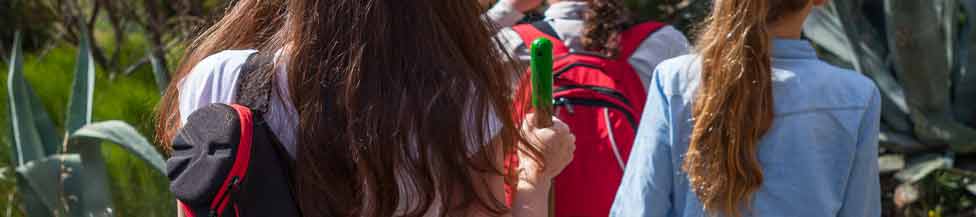
There is an extensive network of marked trails. They approach us to many patrimonial elements, the landscape, the flora and the fauna of the Alpujarra, changing all its nuances depending on the time of the year. Many are thematic (history, botany, geology, etc.).
They show the duration, length and the level of difficulty. They are named as follows:
- Long Distance Trails (Sendero de Gran Recorrido “GR”) (for more than 50 km). The joint of the main GRs from different countries make the transnational paths (European, “E” ways).
- Short Distance Trail (Sendero de Pequeño Recorrido “PR”).
- Local Trail (Sendero Local “SL”).
Short Distance Trails and Local Trails
- Gerald Brenan (Alpujarra de la Sierra)
- Las Acequias (Alpujarra de la Sierra)
- Las Encinas (Alpujarra de la Sierra)
- La Salud (Alpujarra de la Sierra)
- Cabrahigo (Turón)
- Chorrillo (Turón)
- El Castaño (Nevada: El Júbar, Laroles, Mairena, Picena)
- Joplón ( Nevada: El Júbar, Laroles, Mairena, Picena)
- Junta de los Ríos (Bérchules)
- Sendero"vereica" misa (Bérchules)
- La Acequia Alta (Alpujarra de la Sierra: Golco, Mecina Bombarón, Montenegro, Yegen)
- La Acequia Baja (Alpujarra de la Sierra: Golco, Mecina Bombarón, Montenegro, Yegen)
- Medieval Route (Historic Site of the Alpujarra Media and La Taha, from Pórtugos to Juviles)
- Minera Route (Sierra de Lújar)
- La Atalaya (Pampaneira)
- La Cuesta (Almegíjar)
- La Solana (Murtas)
- Mecina Tedel-Cojáyar (Murtas)
- Molino Altero (Trevélez)
- Panjuila (Almegíjar)
- Pitres-Ferreirola (La Tahá)
- Ruta Pedro Antonio de Alarcón (Torvizcón)
Trails through the Puerto de La Ragua
- Ecological Trail
- Trail to Dólar
- Trail to the Hornillo
- Trail to Laroles
- Trail to the Doctor
- Trail to La Laguna
- Trail to the Chullo
The Alpujarreño Stretch of the Long Distance Trail GR 7- E4
The long distance trail GR 7, European Path E4, goes from Greece to Tarifa. Its entry in Spain is located in Andorra. It belongs to the European Network of Trails and it is the sum of long-distance trails in different countries.
On its way through the province of Granada, it crosses the Marquesado del Zenete and the Alpujarra and, in the province of Almería, the municipality of Bayárcal, also in the Alpujarra. It continues in Málaga and Cádiz.
The trail has in the Alpujarra roads and ways of great natural and historic value. Its itinerary can be divided into the following stages:
Etapa 1: Ferreira-Puerto de La Ragua
Etapa 2: Puerto de La Ragua-Boyárcal
Etapa 3: Boyárcal-Laroles
Etapa 4: Laroles-Válor
Etapa 5: Válor-Mecina Bombarón
Etapa 6: Mecina Bombarón-Cádiar
Etapa 7: Cádiar-Trevélez
Etapa 8: Trevélez-Busquístar
Etapa 9: Busquístar-Bubión
Etapa 10: Bubión-Soportújar
Etapa 11: Soportújar-Lanjarón
Etapa 12: Lanjarón-Nigüelas
Long Distance Trail Senda de La Alpujarra GR – 143
It covers a big part of the Alpujarra, going across the provinces of Granada and Almería. It connects the different regions of the Alpujarra with the region of the Río Nacimiento.
It has a length of about 144 kilometres, from Lanjarón (Granada) to Fiñana (Almería). The itinerary is divided into 13 stages, going through Lanjarón, Órjiva, Mecina Fondales, Ferreira, Busquístar, Notáez, Cástaras, Nieles, Lobras, Cádiar, Jorairatar, Los Montoros, Las Canteras, Darrícal, Lucainena, Alcolea, Laujar de Andarax, Almócita, Fondón, Padules, Canjáyar, Ohanes, Abrucena and Fiñana.
Long Distance Path Sulayr GR – 240
Longer circular itinerary located in the peninsula. It is the backbone of the basic network of trails of Sierra Nevada. With an area of 300 kilometres, this scenic trail runs along several Public Use Equipments in the region (Visitor Centres, Shelters, Nature Classrooms, Botanical Gardens). It crosses part of Granada and Almería. Following it, one can discover the rich landscape of Sierra Nevada and access the population found in the way.
For example, one can find Paraje de Tello, el Recreational Area of Puente Palo or the villages of Capileira and Trevélez, touring historic trails and going through valleys and forests, hills and ravines, streams and ditches.
TRAILS FOR HIKERS
A general Alpujarreña route through the beautiful landscapes of rugged mountains, deep ravines, fertile valleys, torrents and gorges can be done. In addition, in towns such as Mecina Bombarón and Yegen there are many paths that are not marked as trails.
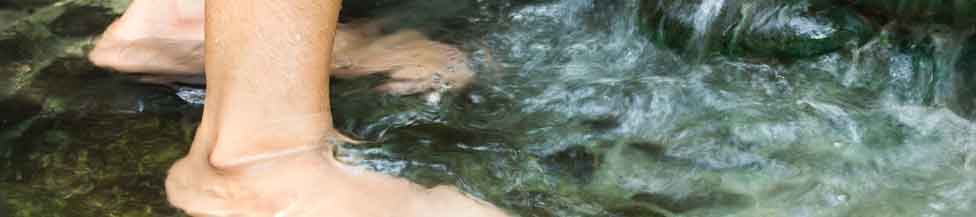
HEALTH TOURISM AND REST
HEALTH TOURISM
The springs of medicinal waters are frequent in the Alpujarra. Its special physical and chemical characteristics have benefits on human health.
The composition of these waters varies: soft drinks, hot, mineralized, demineralized, etc.
Lanjarón Waters
It has five springs of mineral and medicinal waters: Capuchina, San Vicente, Capilla, El Salado and Salud.
The temperature ranges between 16 and 27º C and its mineral composition, together with its properties and indications, varies from ones to others, and can be classified into bicarbonated, sodic-calcic, ferruginous, slightly carbonated and magnesic.
These properties give the spa, located in the village, the possibility of adopting various types of therapeutic treatments, as well as a wide range of beauty and relaxing programs.
"Ferruginous water" or "bitter waters"
With high iron content, they are sometimes naturally carbonated. Among the many springs are the following:
Fuente Agria (El Chorreón, Pórtugos)
Spring water of low mineralization consists mainly of iron and carbon dioxide, which gives it its distinctive spicy flavour and it also tastes like rust.
Fuente Gaseosa (Ferreirola, La Taha)
It has the highest concentration of gas dissolved than any other bitter spring of the Alpujarra. Even being spicy, it does not leave the typical flavour of rust the others do, so it is extremely pleasant for the palate.
Fuente Agria (Válor)
Its waters have also abundant mineral and medicinal properties. It has a strong spicy favour and it also tastes like rust.
VIEWPOINTS
Every corner of the Alpujarra is a viewpoint, a window through which to look to its uncountable charms. There are, however, real viewpoints.
For its privileged location, the village of Cáñar is considered the "Viewpoint of the Viewpoints". It is located on the southern slope of Sierra Nevada, between the ravine Barranco de las Parrillas and Chico River. Other examples are the viewpoint of the Perchel in Capileira or the Viewpoint of Carataunas.
These include the ones located over traditional agricultural threshing floors, which are also part of the agricultural Patrimony of the region. For its location in upland areas, a wide view of the territory is allowed, providing beautiful views of the Alpujarreño scenery:
- Threshing floor-viewpoint of the Platera, in Bérchules
- Threshing floor-viewpoint of the Corral de Piedra, in Cástaras
- Threshing floor-viewpoint of the Trance, in Ferreirola
- Threshing floor-viewpoint of the Chorro, in Mecina Bombarón
- Threshing floor-viewpoint of Nieles
- Threshing floor-viewpoint of El Fuerte, in Trevélez
- Threshing floor-viewpoint of the Necrópolis, in Carataunas
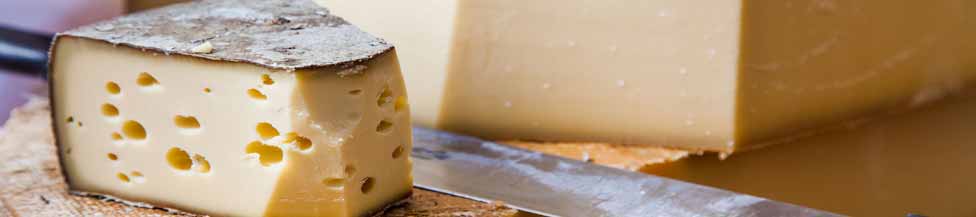
GASTRONOMIC TOURISM
The gastronomy, rich and varied, is generalised, even though there are typical meals in each town.
They are mainly based on the agricultural and livestock products of the area. They are rich in calories and adapted to the weather of the region. They contain olive oil and the wheat or the food derived from the pig is some of its main components.
The cooking of the Alpujarra is influenced by cultures that have lived in the region. During the Pre-history, people used to eat fruit, cereals and honey. The Romans introduced a great number of foods, to which the rich Andalusian gastronomy was added. Later, the Christian tradition will also be part of it.
Typical meals of the Alpujarra
STEW, VEGETABLE SOUP AND POTS. Fennel, cardoon and cabbage stew. Varied vegetable soups (with chestnuts, fennels, etc.). San Marcos’ pot, Palva’s pot and Gipsy’s pot.
MEAT. Pig, rabbit, hare, calf, fowl, hunting meat, lamb. They can be garlic marinated, fried or in brine.
SALADS. Remojón salad (cod, orange, black olives), salpicón (shellfish), moho (black olives and cod), tascaburras (dried tomato, black olive and cod), etc.
SOUPS. Garlic, beans or asparagus soups. Cold vegetable soups and ajoblanco. Alpujarreño soup (with smashed almonds).
MIGAS. Bread and semolina migas with meat (longaniza, bacon, black pudding), melon or roasted peppers.
PORRIDGE. Porridge of milk and breadcrumbs, summer porridge, spicy porridge and red soup porridge.
FISH. Alpujarreña trout.
The Alpujarreño Meal
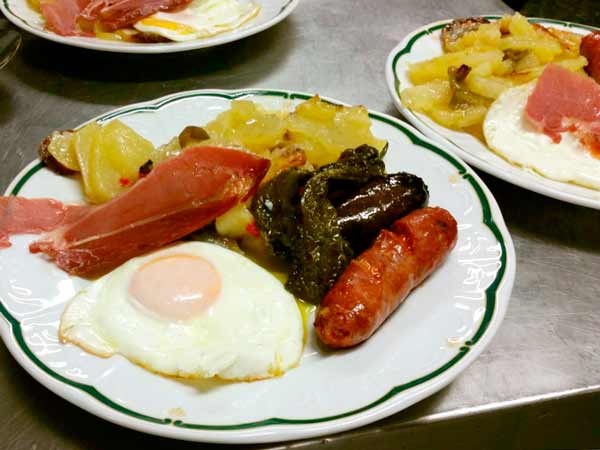
This is the typical meal of the Alpujarra of both Granada and Almería. It is made up of the most important products of the region: fried potatoes (a lo pobre), fried eggs, black pudding, chorizo, prosciutto and filet. There are variations depending on the area.
Foodstuff from the pig
The pig is considered the basis of the gastronomy of the Alpujarrra. The tradition of the pig slaughter has always been part of the family economy. It has been made in every family in the winter at Christmas time. The slaughterer kills the animal, opens it, cuts it and airs the meat. Meanwhile, the black pudding is being prepared in the bowls. It is a festivity day to share with the family.
The pigs are raised with country products and the house leftovers, in a natural and ecological way. The cold meat (black pudding, chorizo, etc.) is prepared in a traditional way.
The weather and the humidity of the area are ideal to dry the pork legs, which have a great quality.
The Pastry of the Alpujarra
They follow an Andalusian tradition. Many exquisite and original varieties mainly elaborated with eggs, flour, sugar, honey and almonds.
Among them, there is turron, soplillos, wheat bread, cheese, almond cake, buñuelos (sweet fritters), oil buns, hornazos (meat pies), all kind of bread rollos, mantecados, borrachillos (cakes dump in liquor), huesos de santo (marzipan sweets), torta de lata (cake) or the mulhacenes.
Alpujarreño wines
In the region there are several Vinos de la Tierra, a quality of Spanish wine that designates the rung below the mainstream quality wine indication Denominación de Origen (DO): Vinos de la Tierra “Cumbres del Guadalfeo”, Vino de la Tierra “Laujar-Alpujarra”, Vino de la Tierra “Ribera del Andarax”. They keep the traditional cultivation and elaboration.
Cheese
It is traditionally elaborated, pressed in a cheese dish and with a traditional stripe of esparto. The cheese can be either goat’s cheese or ewe’s mixed cheese or it can also be mixed together.

SELECTION OF RECIPES
MIGAS FROM THE ALPUJARRA
Ingredients
- 2 glasses of water
- 4 cups semolina flour
- Salt
- 1-2 garlics
- 2-3 tablespoons of oil
Accompaniment
- Bacon
- Sausage
- Roasted Onion
- Roasted Garlic
- Fried green pepper
- Fried dried tomato
- Roasted or dried fish
- Salad
- Gazpacho
- Olives
- Wine
Preparation
1. Put oil in a pan and fry the chopped garlic. Cool it.
2. Add hot water and salt.
3. Add the semolina flour gradually to the boiling water.
Stir with the spatula to knead well.
4. Continue moving between ½ hour and ¾ hour over low heat, until you get small golden balls.
FENNEL STEW
Ingredients
- 250 grams of dried white beans
- 1 head of garlic
- 2-3 tablespoons of oil
- 1 piece of bacon
- One pigtail
- Black pudding
- 500 g of potato
- Fennel tender to taste
- Salt
Preparation
1. Place the beans in a pot with oil. Stir well.
2. Add water, bacon and the pig's tail. Cook.
3. Once cooked, add the chopped potatoes, salt and clean and sliced fennel.
4. Boil until it is completely cooked.
5. Boil the black pudding separately and add when serving.
EASTER STEW
Ingredients
- ½ Kilo of soaked chickpeas
- ½ Kilo of cod
- 2 heads of garlic
- 2-3 tablespoons of oil
- 1 onion
- 2 bay leaves
- 2-3 leaves of chards
- 2 dry coloured peppers
- 2 dried tomatoes
- 2 potatoes
- 12 almonds chips
Preparation
1. Put the beans to cook in boiling water, with row oil, garlic, onion, bay leaf, pepper, tomato and the tail and fins of the cod.
2. Once the chickpeas are cooked, put the sliced beets and potatoes.
3. After the cooking, remove the peppers, tomatoes and 2 tablespoons of broth. Grind with the almonds and a raw clove of garlic. Pour into a saucepan.
4. Boil for 5 minutes. Season and colour to taste.
5. Let stand 30 minutes before serving.
6. Serve with cod meatballs or pieces.
ALMOND SOUP OF THE ALPUJARRA
Ingredients
- 2 slices of bread
- 75 grams of almonds
- 50 grams of ham
- 1 ripe tomato
- 1 onion
- 4 cloves garlic
- 1 egg
- Oil for frying
- Salt
Preparation
1. Fry the bread in dices. Put it away.
2. Fry the garlic and almonds.
3. Grind everything in a mortar until you get a fine paste.
4. Stir-fry the chopped tomato and the chopped onion. Add also chopped ham.
5. Put 1 liter and ½ water in a pot. Add the sauté and mashed. Boil.
6. Add salt and serve with croutons and the chopped boiled egg.
MARINADE PARTRIDGE
Ingredients
- 2 partridges
- ½ cup white wine
- ½ cup vinegar
- ½ cup olive oil
- 1 cup water
- 1 onion
- 4 cloves of garlic
- 300 grams of carrot
- 1 branch of thyme
- 1 branch of parsley
- 2 bay leaves
- 1 teaspoon of peppercorns
- Salt
Preparation
1. Clean the partridges. Wash and salt them inside and out.
2. Heat the oil in a pot and brown the partridges.
3. Add the chopped onion, sliced carrots, herbs, garlic cloves, salt and pepper. Stir-fry for 10 minutes.
4. Add the wine and vinegar. Cover and cook over medium heat 10 minutes.
5. Add water to cover the partridges in half. Cook for 1 ½ hours over low heat.
6. Remove the skin and bone of the partridges. Place the chopped meat in a dish and cover with the marinade.
CAKE SOAKED IN ALCOHOL
Ingredients
- ½ liter olive oil
- ½ liter of white wine
- 1 glass of orange juice
- Anise
- Cinnamon stick
- 4 cloves
- Lemon and orange skin
- Lemon and orange zest
- Flour
- Honey for cover
- Oil for frying
Preparation
1. Fry the oil with anise, lemon and orange peel, cinnamon stick and cloves.
2. Strain the oil. Allow cooling and adding the white wine, orange juice and the zest.
3. Add the flour gradually.
4. Let stand ½ hour.
5. Make the cakes shaped pasties or rolls.
6. Fry and dip in honey.
SOPLILLOS
Ingredients
- 400 grams of almonds
- 400 grams of sugar
- 4 egg whites
- Zest and juice of 1 lemon
Preparation
1. Blanch and peel the almonds. Toast them in the oven and chop them.
2. Beat egg whites until stiff. Add the juice and the zest of lemon.
3. Add sugar to the dough.
4. Add the almonds, mix and pour into the moulds.
5. Bake at a low temperature until golden brown.

PARTIES AND FESTIVALS
The Alpujarra celebrates countless festive acts. Together with the most popular celebration, there are other more thematic ones. Next, a selection is listed:
Patronage festivals
They are organized by butlers or by the town hall itself. They are dedicated to the patron saints or the saints venerated in the town: Virgen del Martirio, San Luis, San Patricio, Cristo de la Salud, San Sebastián, San Marcos, San Felipe, Nuestra Señora de la Cabeza, Virgen del Rosario, Virgen de Gádor, Cristo de la Luz, Cristo de la Expiración, San Miguel, Virgen del Mar and many more.
Festival of the Crosses
The celebration of the Holy Cross during the first days of May takes place in different towns, such as Murtas or Pampaneira. In these places, people can eat or drink together with family and friends.
Moors and Christians Festival
Popular theatre plays, where all the people of the town participate (as either actors or spectators), are held in the street. They commemorate the fights that took place in the 16th century.
This festival takes place in many populations, such as: Laroles, Albondón, Bubión, Murtas Trevélez, La Alquería de Adra, Bayárcal, Cojáyar, Jorairatar, Juviles, Picena, Turón or Válor.
Chiscos Festival
It is known as “San Antón’s Pig” and it is celebrated in Torvizcón in January.
The Fox’s Burial
There is a performance of the burial of a carton figure (the Fox), that is carried by characters dressed in black and that is finally burnt. It is celebrated in Ferreirola or Pampaneira. In Capileira they celebrate the “Fox’s and Little Devils’ Burial”.
Autumn Fair or Wine Fountain
In Cádiar, during the Festivities of the Cristo de la Salud, a double tap fountain is installed. From one of them, free wine comes out during the celebration.
Water and Ham Party
The night of San Juan (St. John’s Eve), the “Water and Ham Party” is celebrated. During the so-called “Water Night”, the “water race” takes place.
San Marcos Party
This party is devoted to animals. The “San Marcos’ Pot” is prepared. Normally it consists of a traditional stew of cardoon, fennels, potatoes, rice, fat or black pudding. It is cooked in the patios and the squares. This party is celebrated in towns such as Mairena, Berchules, Carataunas, Cádiar, Laroles.
“August New Year’s Eve”
It has its origin in an electricity cut that impeded the inhabitants of Bérchules celebrate New Year’s Eve in 1994. During this party, there are New Year’s Eve peals, grapes and typical Christmas sweets made from flour, almonds and lard, mantecados.
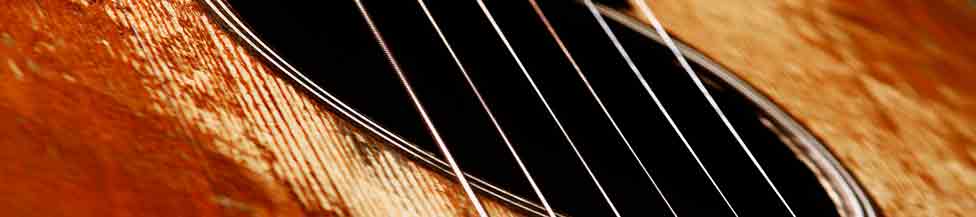
MUSIC AND TRADITIONAL DANCES
They are part of all the festivities in the region. They are also part of the daily life of its inhabitants.
In the traditional music of the Alpujarra, we can find the trovo (traditional music from the Alpujarra in which people improvise poetry with a traditional folk dance music), Mozarab Christmas carols, dances, ánimas songs for dead people, remerinos (songs that people used to sing while they were doing agricultural jobs), serenades, mule songs (songs people used to sing while threshing) or the parranda (carnival song), among others. Special costumes and traditional instruments complement it.
The Traditional Music Festival of the Alpujarra, that is annually celebrated, offers the possibility of knowing almost all the folk traditional music of the region.
The Alpujarreño trovo
This is the most important musical-poetic composition of the Alpujarra. It consists of verses, normally five-line stanzas, which generate a discussion between two singers about a given topic (contemporary, philosophical, satirical, mocking, loving, etc.). Trovos can be accompanied with music (guitar, bandurria and violin) and they can be danced in mudanzas and robaos. The typical dance used for the trovos are the fandangos (the danced trovos).
Dances
Even though each town has its own dance, the main and most frequent demonstrations are: The robao (the dancers change partners; they “steal” each others partners) and the mudanza (a group of people dance and there is one, the “courter”, that dances among the rest).
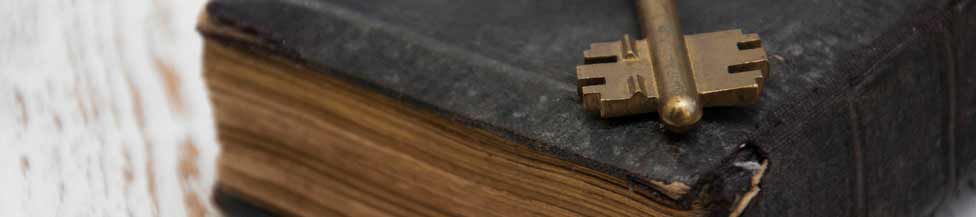
THE MAGIC OF THE ALPUJARRA: MYTHS, TALES AND LEGENDS
By means of the oral tradition, myths, tales, and legends that tell great feats, battles and loves, which remind important people, have been transmitted and they have remain almost the same.
One of the most famous legends is the one of Abu l-Hasan Ali’s tomb, the Legends of the Laguna de Vacares, the Legend of the chestnut and the six squires with their horses.
SELECTION OF LEGENDS
THE LEGEND OF THE TOMB OF MULEY HACEN
The legend tells that Muley Hacen (known as Abu l-Hasan Ali in English), unhappy sultan of the Nasrid Kingdom, defeated and overthrown by his son, who followed the orders of the spiteful Aixa, hid somewhere in Sierra Nevada. Zoraya, his favourite wife, accompanied him. Then, he asked her that, when he died, she should bury him in the entrails of the mountains, in some forgotten and unknown area. There, where anyone could arrive, he will get the eternal rest. He would have peace if he were not close to human meanness or dead bodies of strangers.
Eventually, Zoraya and their children did what he wanted and they carried his body to the highest and most inaccessible place in Sierra Nevada for burial. Thereafter, and in honour of the unfortunate Sultan, the peak would be known as Mulhacen.
WHITE BIRD Vacares
Many years ago, three hunters were lost in Sierra Nevada. They were at night, in the canyons surrounding the Laguna de Vacares, so feared by the people of the Alpujarra, where it was impossible to leave without light.
The lagoon is a huge cavernous pit with a waterproof bottom that accumulates the meltwater. On it, the Puntal de Vacares stands.
The hunters, then, settled down for the night in that place. Fearing the attack of wolves, one of them acted as a guard. Suddenly, the guard saw a huge blue light around him. It was shining between the eyes of a white bird that was looking at him intently. He shot. The light switched off and, in the same place, a beautiful maiden dressed in white appeared. She was calling him smiling.
The next morning, his companions looked for the hunter unsuccessfully, so they decided to continue looking for him another day.
That night, the second hunter suffered the same fate. The last of them then tried to find out what was going on, staying in the area. At night, he saw the light and the bird, and the beautiful maiden in white again.
It was the white bird of Laguna de Vacares, who turned into a fairy and attracted the shepherds, burying them deep to devour them slowly. However, the fairy felt so in love with that boy that she decided to save him. Being a bird, she went with the sleeping hunter to the bottom of the lagoon, where she wanted him to become her lover and companion forever. When he woke up, he was in a luxury and indescribable paradise. Seeing the maiden, the hunter from the Alpujarra felt in love too. She made him the owner of all her kingdom and gave him all her love.
One day, the hunter saw the remains of their partners. Then, he felt selfish, and he longed his life, his family and his home. He decided to escape. He asked her lover to become a white bird and to take him for a walk in the mountains, so she did. They stopped on a rock, in the middle of a lonely valley. With his medal of the Virgen de las Nieves (Snow Virgin), he protected his face and saw the image, the white bird tried to attack the boy, but it froze and could not. The, it squawked and disappeared into the darkness.
Even today, every night the maid-bird calls out the hunter, and hate leads to devour anyone who pass through there.
LEGEND OF THE CHESTNUT AND SIX SQUIRES WITH THEIR HORSES
The chestnut was a majestic, leafy and strong tree. In its branches, countless wonderful birds lived and protected from the sun and rain to all the people of Bubión. It is said that in its top an imperial eagle and 500 shrikes lived. In the hollow of its trunk there was even a mosque in times of Al-Andalus. It was loom and several people lived in it. It is said that it also had supernatural and healing powers. On the night of San Juan, it became an army of Saracens.
The Commander of Castile, who visited Bubión, knew of the existence of the chestnut and its powers. He investigated the case and concluded that the tree was haunted, and decided to judge it. The chestnut was judged a night in July. The president, counsellors and clerks attended the act. They asked several questions to the tree and, as it did not answer, it was declared to be guilty. Because of its silence, they found it guilty. He was sentenced to be burnt for paying no attention to the authority, for witchcraft and for rebellion. It took it two weeks to be burnt. The last day, a magpie fled from his huge trunk shouting "I vote for Satan, I get burnt."
THE GARDEN OF PRINCESS COBAYDA
A poor hunchback and filthy old man, who was despised by all, was called one day to the palace of the Alhambra, to divine the future that the stars will have for the first of the daughters of the sultan. The seer concluded that if the girl found the love before her fifteenth birthday, she would be unhappy and cause the death of his own father. However, if she did not met and fell in love, she will grow happy and nothing bad would happen.
The king, then, decided to lock her and remove her from the world, building her a luxurious palace in the most inaccessible site of Sierra Nevada.
The beautiful princess Cobayda grew under the surveillance of Kadiga. She was about to be fifteen years old when, one night, walking in the lonely palace garden, she was surprised by the voice of a young stranger, who sang sweetly. She met this boy and they fell in love instantly.
Every night, her lover visited the palace in secret from her maidens. The previous sad and melancholic girl became cheerful and lively. Then, Kadiga, her guardian, noticed that something was happening and finally she found the couple in love, and told it to her father.
The sultan went to the palace immediately. He saw the couple with his own eyes and cut off the boy's head angrily, without thinking. After rolling on the ground, it became a stone that can still be seen in Sierra Nevada. The princess, terrified, turned into ice, flowing from his eyes so many tears that filled the valley and turned it into a salt lake, the Laguna de Vacares. The King could not escape, because he became a huge rock that still remains near the Laguna. In the stormy evenings, driven by the remorse and pain, he still moans...
CRAFTWORK
Craftwork is one of the most important cultural demonstrations of the Alpujarra. Still nowadays, craftsmen can be found in the villages. Together with the traditional techniques of previous centuries, they have developed other craftworks (elaboration of jewellery and costume jewellery, clothes, accessories, decorative objects, etc.).
These daily and familiar activities that are focused on self-sufficiency are being more and more valued outside each time.
The Association of Craftsmen of the Alpujarra (AAA), which was born in 1986, has register the brand “ARTESANÍA ALPUJARRA” (“Craftwork from the Alpujarra”), that identifies the products made in the region.
Next, the most important ones are presented.
Craftwork with Vegetal Fibres
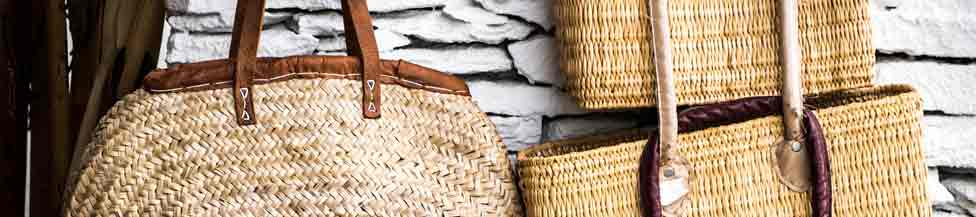
Even though the esparto and the wicker stand out, other fibres of vegetal origin such as hemp, jute or pita are used.
Carpentry
Handmade carpentry, in some occasions, follows the patterns of Mudejar style in relation to the carving and the proceeding in general. Furniture and utensils in general are made.
Saddlery
The saddler works with leather and makes items of different utility such as roundups for the harness of the horses, to drag the carriages, horse saddles, etc.
Quarrying
The labours of quarrying are focused mainly on making ashlars with stones from the surroundings are used, such as sandstones, limestone and conglomerate. The traditional quarrying of slate plates has always had a great importance in the region.
Drapes
In the garment factories of the Alpujarra, which have a very rich tradition, clothes that mix wool, linen or silk in different colours and bands of various wides are made. Sometimes, flower decoration also appears, as well as animal (birds, cocks) or vegetal. Apart from the popular jarapas, blankets, cushions, tapestries, saddlebags and carpets are made.
Pottery
In many sites, which could belong to different cultures, domestic ceramics appeared and also ceramics related to the architecture.
In the potter workshops of the Alpujarra, the Andalusian patrimony can be appreciated due to the decoration and the manufacturing techniques. The pieces made with medieval techniques join the typical ceramics from Granada and show a wide typology (earthenware bowl, large earthenware jar, jug, clay pot). They stand out because of their simplicity and purity of shapes.